6 Games That Outshone Their Inspirations
Explore how innovative RPGs like Pathfinder, Darksiders, and Pillars of Eternity revolutionize gaming by elevating classic blueprints into legendary experiences.
In the ever-evolving landscape of gaming, imitation isn't just flattery—it's often the foundation for revolution. These titles took familiar blueprints and transformed them into something extraordinary, proving that true innovation lies in elevating what came before. What emerges isn't derivative, but distinctly legendary.
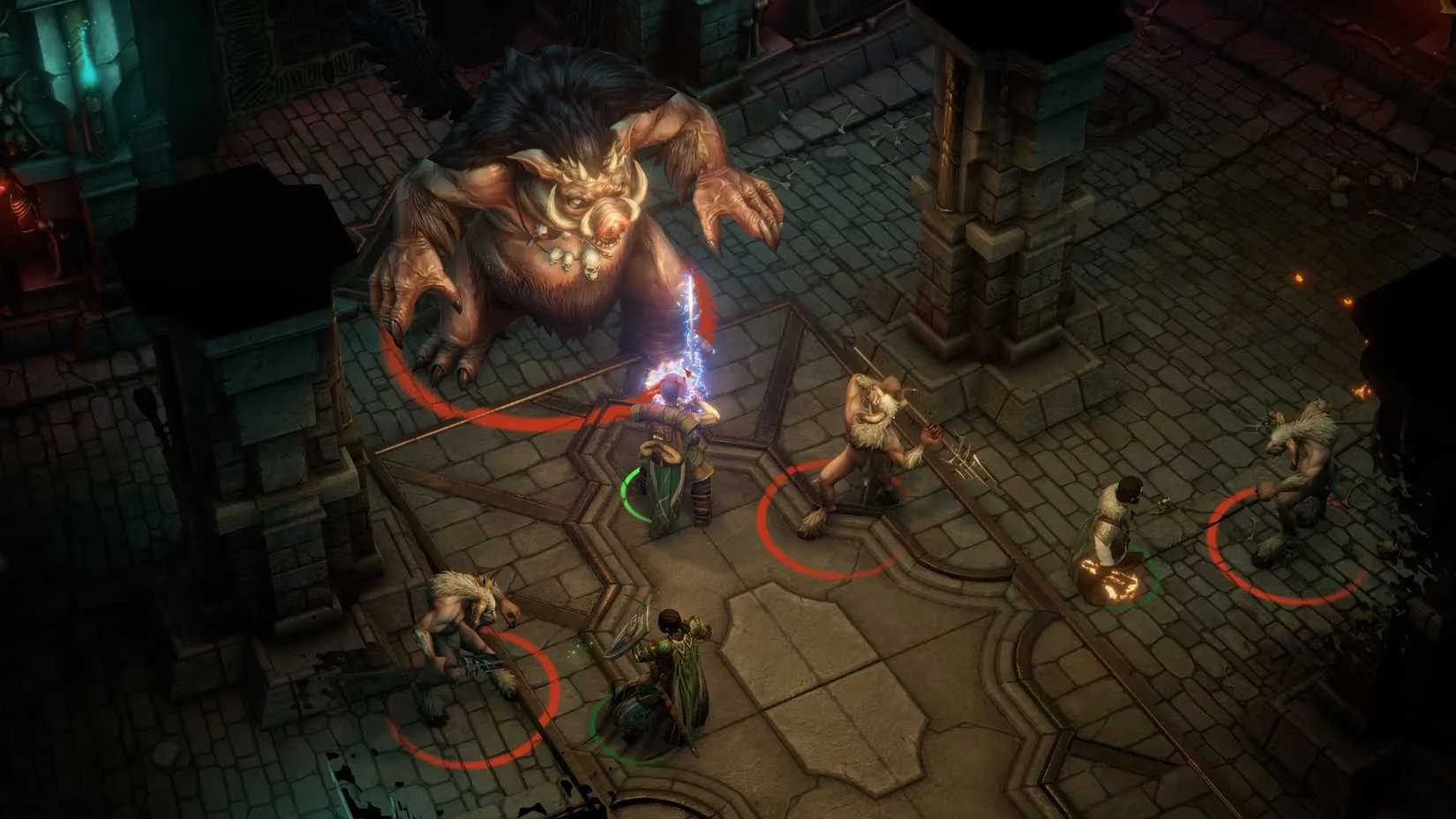
Pathfinder: Wrath of the Righteous
Where Baldur's Gate 2 laid the groundwork, this dark fantasy masterpiece built a cathedral. The sheer density of narrative pathways still feels revolutionary—every alignment choice ripples through lore-rich encounters with tragic villains and morally ambiguous allies. That voice acting? Pure sorcery 🎭. What truly mesmerizes is how army-building mechanics weave into personal journeys, creating tactical symphonies where crusades and character arcs collide. Playing it in 2025 still reveals new ethical labyrinths behind every demonic invasion.
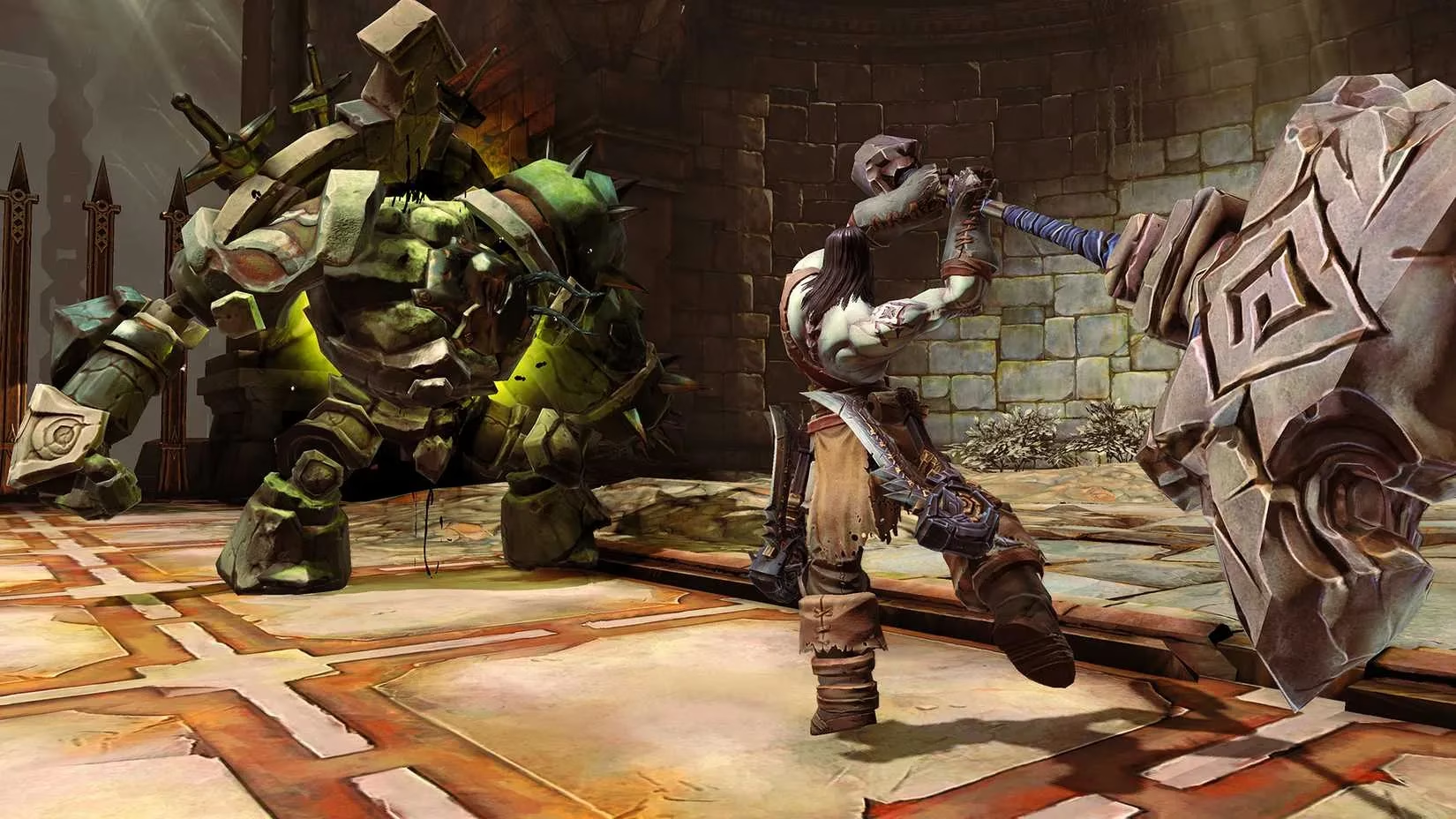
Darksiders 2
Zelda's shadow never felt darker nor more delicious. Controlling Death himself in this gothic odyssey transforms dungeon crawling into a ballet of scythes and spectral fury 💀. Those puzzle temples? They whisper secrets only sorrowful gods comprehend. Modern Zelda fans craving weightier combat discover paradise here—every parry resonates with bone-crunching satisfaction while apocalyptic landscapes unfold like cursed pop-up books. The real magic? Making cosmic despair feel weirdly... fun.
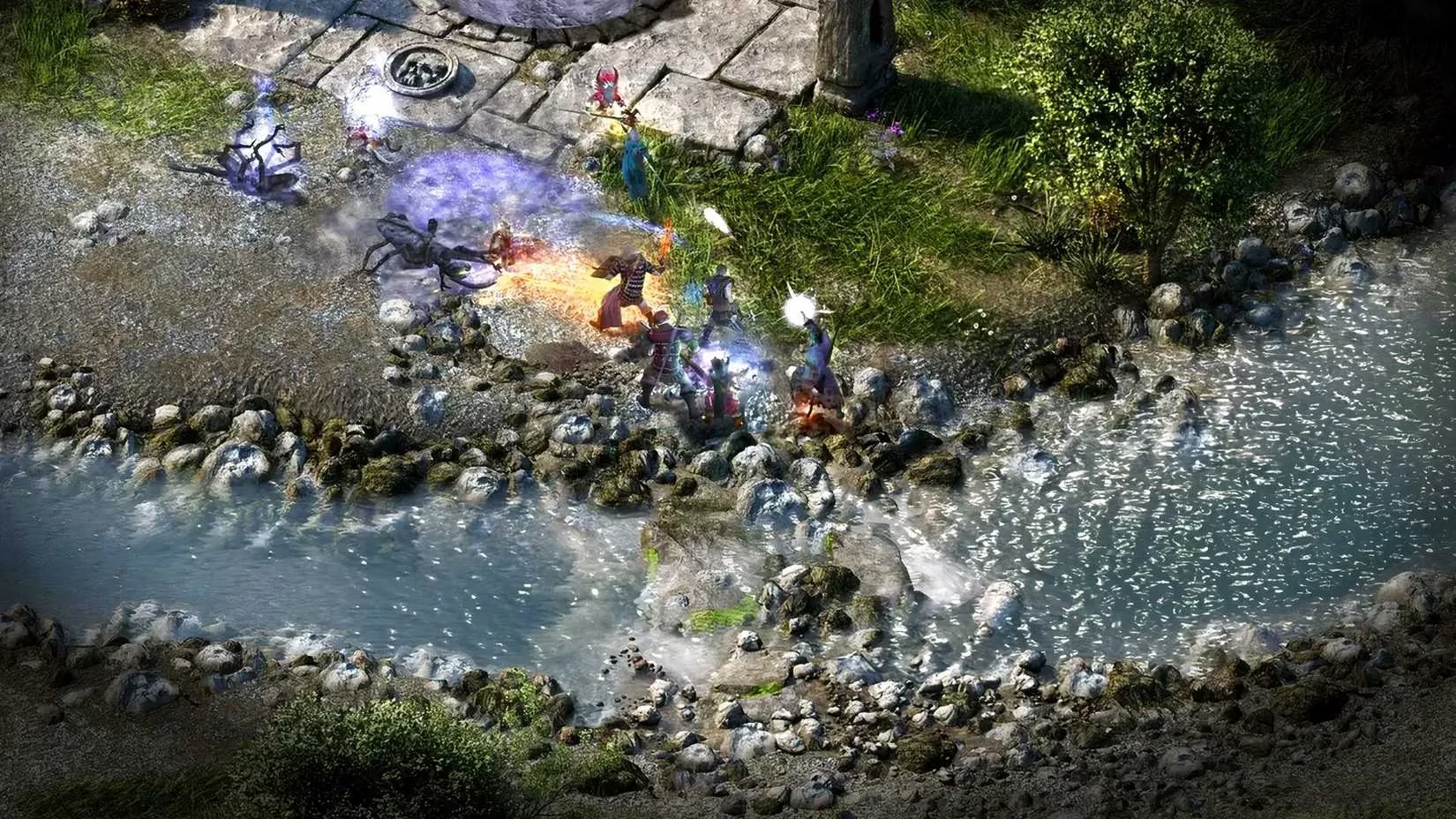
Pillars of Eternity
CRPG resurrection never tasted so divine. Beyond Baldur's Gate's legacy, this indie marvel spun sci-fi threads into fantasy tapestries until genre lines blurred ✨. The dialogue! Oh, the dialogue—each conversation feels like unearthing philosophical artifacts while building parties with alarming emotional depth. Revisiting it today reveals why it sparked a renaissance: choices aren't just good/evil but exist in haunting grey zones where salvation and sacrifice dance uncomfortably close.
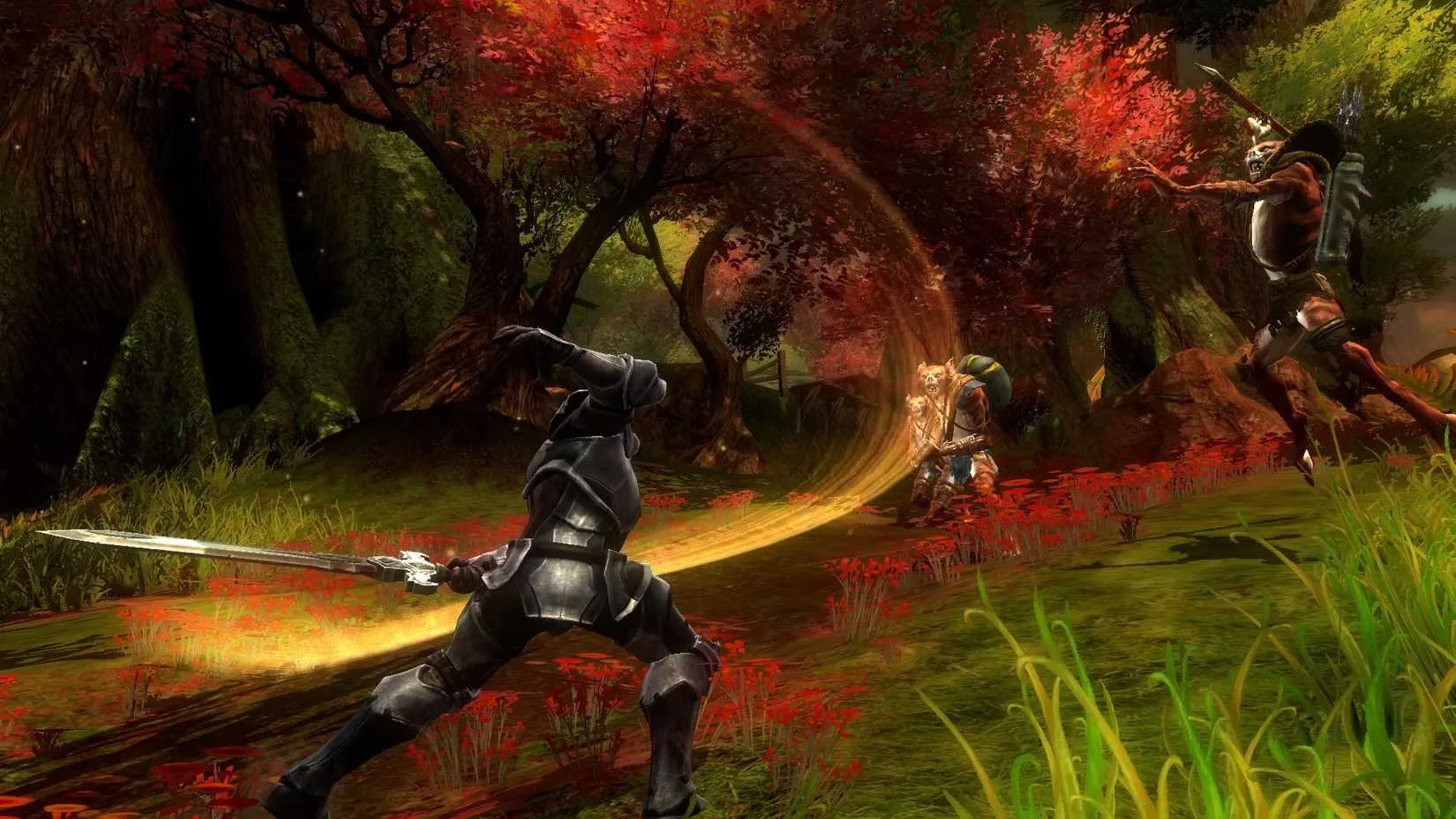
Kingdoms of Amalur: Reckoning
Fable's whimsy got a combat upgrade and lore infusion worthy of Salvatore's pen 🖋️. Where predecessors stumbled, this unleashed kinetic swordplay that still feels revolutionary—spell combos erupt like magical fireworks while dodges flow like liquid gold. The tragedy? Knowing this vibrant universe ended too soon. Yet playing now, those colorful zones thrum with untold stories, leaving us wondering what sequels could've achieved in 2025's RPG landscape.
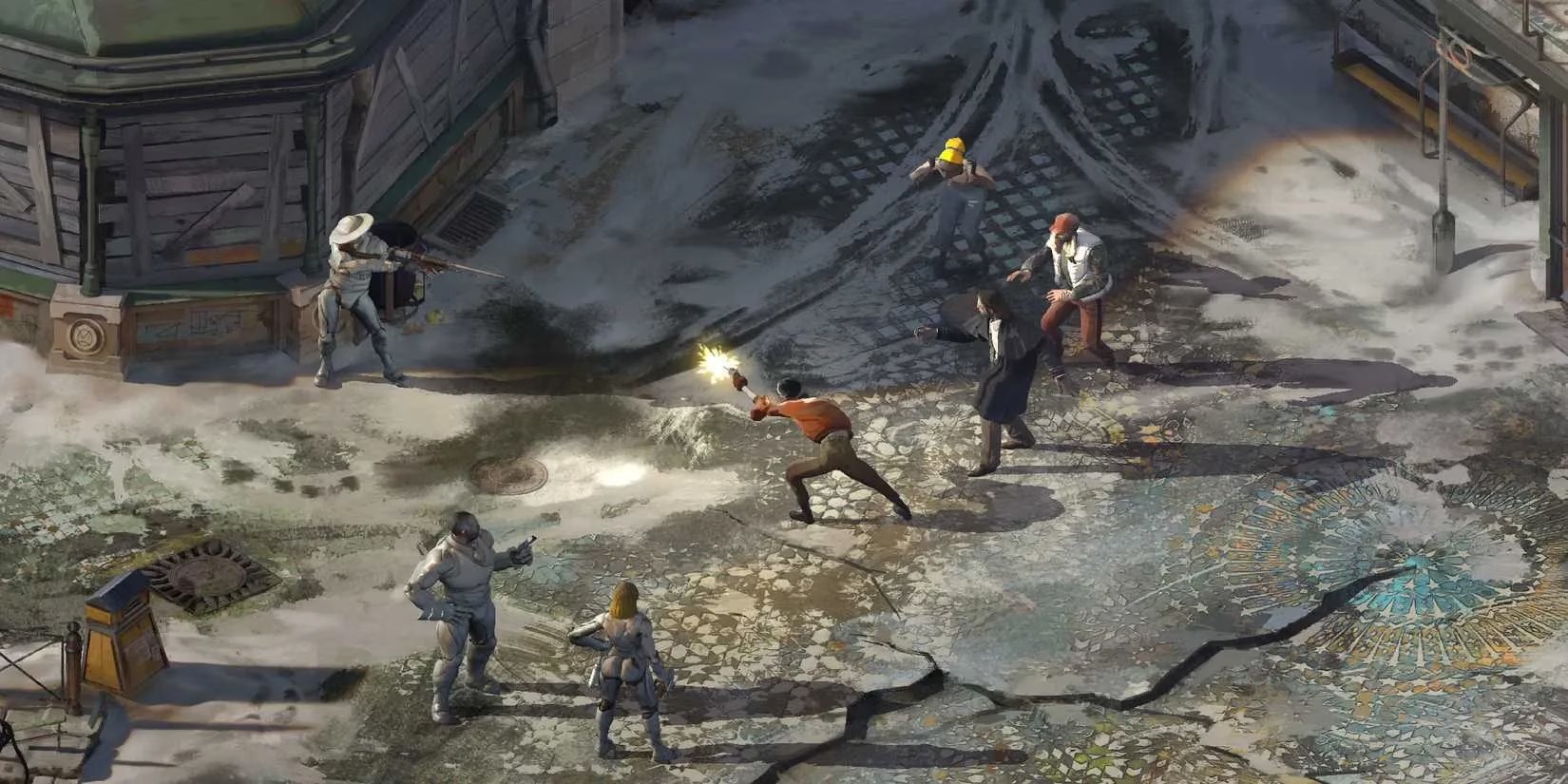
Disco Elysium
Planescape: Torment's torch passed to a drunken detective masterpiece 🥃. The real innovation? Making amnesia feel like liberation. Every skill-check becomes existential theater—will your Logic argue with your Volition while Electrochemistry begs for another drink? The genius lies in conversations that aren't trees but collapsing constellations, where a single phrase shifts political landscapes. Modern replays reveal new voices in the psychic chorus, proving some hangovers never fully fade.
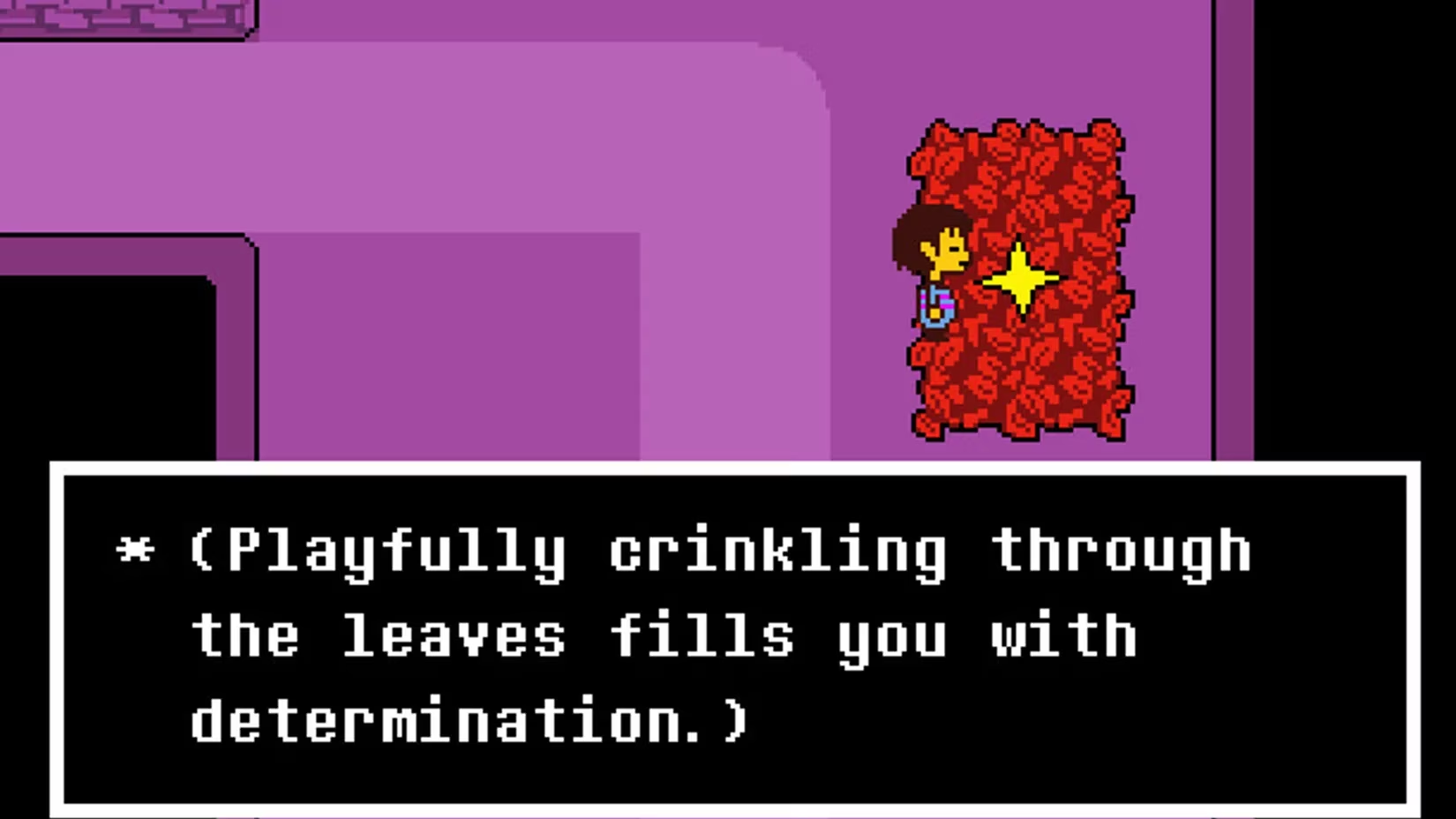
Undertale
Earthbound's heart got rewired into something gloriously unhinged ❤️🔥. Toby Fox didn't just homage—he weaponized nostalgia into emotional shrapnel. Pacifist or genocide runs aren't mechanics but moral earthquakes where every spared monster whispers about player accountability. The real magic? How secrets breed like rabbits in this deceptively simple world. Years later, discovering new boss variants still feels like cracking cosmic jokes where the punchline is always... you.
What lingers after these journeys? The realization that greatness isn't about erasing inspiration but etching new legends atop old foundations. These worlds challenge us: when does homage become evolution? Perhaps the answer lies not in what was borrowed, but what was fearlessly reimagined.
0 Comments