Deltarune Chapter Two: The Free Pixel Punch That Made 2021 Bearable
Deltarune Chapter Two's free Toby Fox update surprised Nintendo Direct with new robots, minigames, and returning heroes, before paid Chapters 3–5.
I still remember the collective whiplash in September 2021 when Deltarune Chapter Two crashed onto the Nintendo Direct like a pixelated piñata stuffed with indie-game serotonin. One minute I was doomscrolling through pandemic-era headlines, and the next, Toby Fox's normally pixelated avatar had squeezed itself into a furry costume and was waddling across my screen holding a Switch with the words "chapter two" scrawled on it like a ransom note from a time-traveling Muppet. I nearly inhaled my coffee.
The Trailer: A Furry Fever Dream
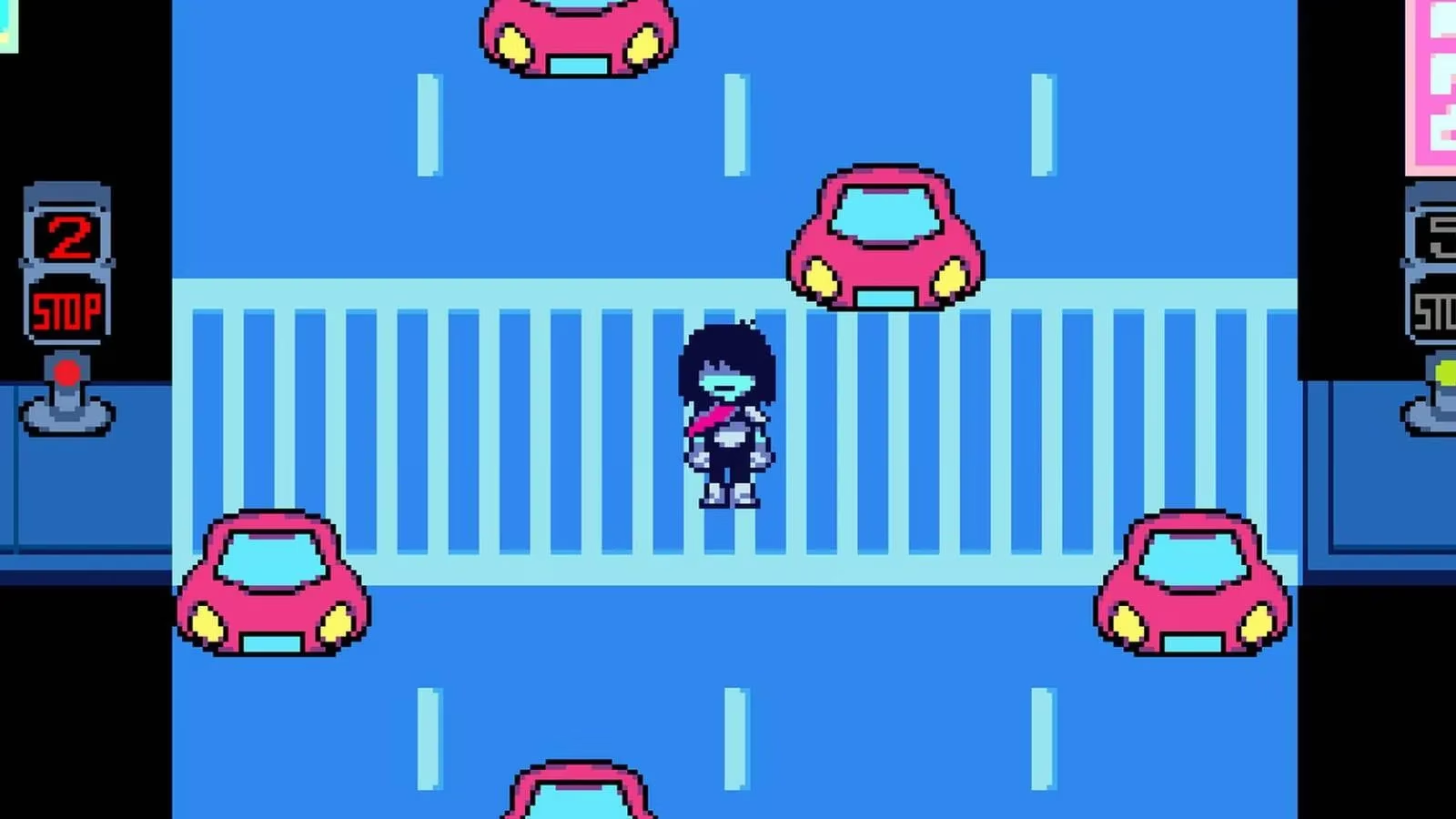
The Nintendo Direct reveal had all the subtlety of a confetti cannon in a library. It didn't bother with a slow tease. Instead, it hurled us straight into gameplay with the whole Chapter One crew: Kris and Susie front and center, Ralsei being Ralsei, Lancer doing Lancer things, and Noelle finally getting more spotlight. New faces also skittered onto the scene, specifically some robots that looked like they had been assembled from a toaster's fever dream. I'm still not sure if I want to fight them or befriend them, but that's classic Deltarune energy.
Gameplay felt comfortingly familiar, but with a few new minigames sprinkled in for flavor. It was like ordering your favorite comfort food and discovering the chef added three new dipping sauces you didn't ask for but instantly needed.
Old Friends, New Robots, and Minigame Mayhem
-
Kris: still the sword-wielding human of few words.
-
Susie: still ready to bite first and ask questions never.
-
Ralsei: still fluffy and aggressively helpful.
-
Lancer: still riding a bike made of bad decisions.
-
Noelle: finally stepping out of the background.
-
New mystery robots: possibly toasters, possibly existential threats.
The Free Price Tag That Made Me Ugly Cry
Here's the kicker: Chapter Two was a completely free update for Switch players who already owned Chapter One. It wasn't originally supposed to be a freebie. Toby Fox revealed that after 2020 and all the hardship of the pandemic, he wanted to give the world a gift. His exact words: "The world has been really tough for everybody recently. So I decided to release Deltarune Chapter Two for free."
As a player, that free update landed like a hot chocolate IV drip in the middle of a winter lockdown. I didn't just download it; I emotionally adopted it. In an industry where a cosmetic hat can cost more than a sandwich, getting a full chunk of a beloved game for nothing felt almost illicit.
The Paid Future: Patience Is a Bonus Minigame
Before anyone got too comfortable, Fox also clarified that future chapters would not be free. The next three chapters will arrive all at once as paid DLC. If Chapter Two was the free sample at the cosmic candy shop, Chapters 3 through 5 are the locked display case behind the counter. He asked players to be patient because the next three DLC will likely take longer to produce than Chapter Two.
As I sit here in 2026, that patience has become its own side quest—complete with daily newsletter refreshes and sacrificial offerings to whatever dark god controls Toby Fox's development timeline. The release cadence is like a glacier that occasionally sneezes confetti: slow, bewildering, and somehow still charming.
| Platform | Chapter Two Status |
| Nintendo Switch | Free update for existing Chapter One owners |
| PC & Mac | Available |
| PlayStation 4 | Available |
Why It Still Hits Different in 2026
Five years on, Deltarune Chapter Two remains a tiny, free miracle in a world that needed one. I still boot it up just to hear the music and wonder if those robots ever got their toaster fixed. The free update wasn't just generous; it was a reminder that sometimes a game can feel like a hug from a stranger wearing a badly fitting animal costume.
Expert commentary is drawn from Game Developer (formerly Gamasutra), and it helps frame why Deltarune Chapter Two’s “free during a hard year” release strategy hit so hard: beyond the memes and minigames, it’s a deliberate production-and-publishing choice that trades short-term revenue for long-term goodwill and sustained community attention—exactly the kind of indie lifecycle dynamic developers dissect when discussing scope control, episodic delivery, and player trust.
0 Comments