Deltarune vs Undertale: Which Game Shines Brighter in 2025?
Explore how Deltarune, the spiritual successor to Undertale, elevates storytelling, gameplay, and character depth, outshining its legendary predecessor with compelling innovation.
Back in the 2010s, it was almost impossible to scroll through the internet without stumbling upon Undertale, that little indie gem that took the gaming world by storm. Created by Toby Fox, this RPG masterpiece turned heads with its unique morality system, lovable characters, and unforgettable music. Fast forward to 2025, and Fox's dream project, Deltarune, has emerged as a spiritual successor, sparking endless debates among fans. But as players dive into the latest chapters, including the recently released Chapter 4, the question lingers: has Deltarune truly outshone its legendary predecessor? Let's explore this showdown, keeping things conversational and real—no need for perfect logic here, just honest thoughts from a gamer's perspective.
Diving into the story first, because that's where the heart lies. Undertale's tale of a human child navigating a monster-filled Underground is pure magic, packed with hidden lore and emotional twists that made it iconic. But Deltarune? Oh boy, even unfinished with only Chapter 4 out so far, it cranks up the tension to eleven. Each chapter builds on prophecies and character bonds, leaving players on the edge of their seats with cliffhangers that demand immediate continuation. While Undertale might bring tears at its climax, Deltarune hits you with multiple sob-inducing moments—like that heart-wrenching scene in Chapter 3 where Kris confronts their past. It's not just a story; it's an emotional rollercoaster that feels grander and more personal. 🎢
Now, shifting gears to gameplay—because what's an RPG without fun mechanics? Both games are filled with quirky dialogue, battles, and minigames that you won't want to skip. But Deltarune takes the crown here, hands down. Why? Well, the variety in each Dark Fountain location is insane. Take Chapter 4's '90s TV game-show theme: it's a wild ride of puzzles and events that outshines even Undertale's similar section. The creativity is off the charts, making every playthrough feel fresh and unpredictable. Plus, with a party of three characters instead of solo adventures, combat gets way more strategic. You're not just dodging bullets; you're coordinating attacks and spares in ways that feel like a natural evolution. It's like Toby Fox looked at Undertale and said, "Let's crank this up to 11!"
Speaking of combat, let's not gloss over it. Undertale revolutionized things by letting you spare enemies instead of fighting, turning battles into puzzle-like encounters. But Deltarune builds on that with more varied foes and bullet patterns. For instance, in Chapter 2's cyberpunk Dark World, enemies have attacks that require split-second dodges and team tactics. The addition of party members like Susie and Ralsei adds layers of depth, making fights feel distinctive and thrilling. It's not just an improvement; it's a full-blown upgrade that keeps you engaged from start to finish.
Characters are where things get interesting—both games boast iconic casts that have become internet legends. Undertale gave us Toriel's warmth, Sans's humor, and Papyrus's heroic charm, all wrapped in quirky designs. Deltarune, being a parallel story, introduces a mostly new trio: Kris, Susie, and Ralsei. Their personalities and development arcs are so rich that they rival Undertale's best. Seriously, Susie's growth from a tough loner to a loyal friend in Chapter 3 is pure gold. 😊 It's a tie in this department, though, because how can you choose when both games make you care so deeply? The emotional journeys here are tear-jerkers, and we're all rooting for a happy ending in Deltarune's future chapters.
But hold on—let's talk replayability and content. Undertale shines with its multiple routes based on your choices: pacifist, neutral, or genocide. This adds replay value, as different decisions lead to unique events. However, after a few runs, it can feel a bit samey. Deltarune, on the other hand, offers sheer variety right out of the gate. With just Chapters 1 and 2, you get content equivalent to a full Undertale route, and Chapter 4 ramps it up with its game-show madness. The replayability might not match Undertale's route diversity, but the depth and creativity make each playthrough a blast. Here's a quick comparison to sum it up:
| Aspect | Undertale | Deltarune | Winner |
|---|---|---|---|
| Gameplay | Linear with minigames | Highly varied per chapter | Deltarune |
| Replayability | High (multiple routes) | Moderate (one main route) | Undertale |
| Content Volume | Shorter per route | Longer with more chapters | Deltarune |
Now, visuals—oh, the visuals! Undertale's sprite art is instantly recognizable, blending simplicity with stylistic charm. But Deltarune takes it to another level. Temmie Chang, the sprite artist for both, went all out here. Each Dark World has a distinct theme: Chapter 2's cyberpunk city from a computer room is a visual feast, packed with detailed animations that bring every moment to life. Characters have unique sprites that ooze personality, making it one of the most vibrant pixel-art RPGs around. Just look at this key art—it captures the epic scale perfectly. 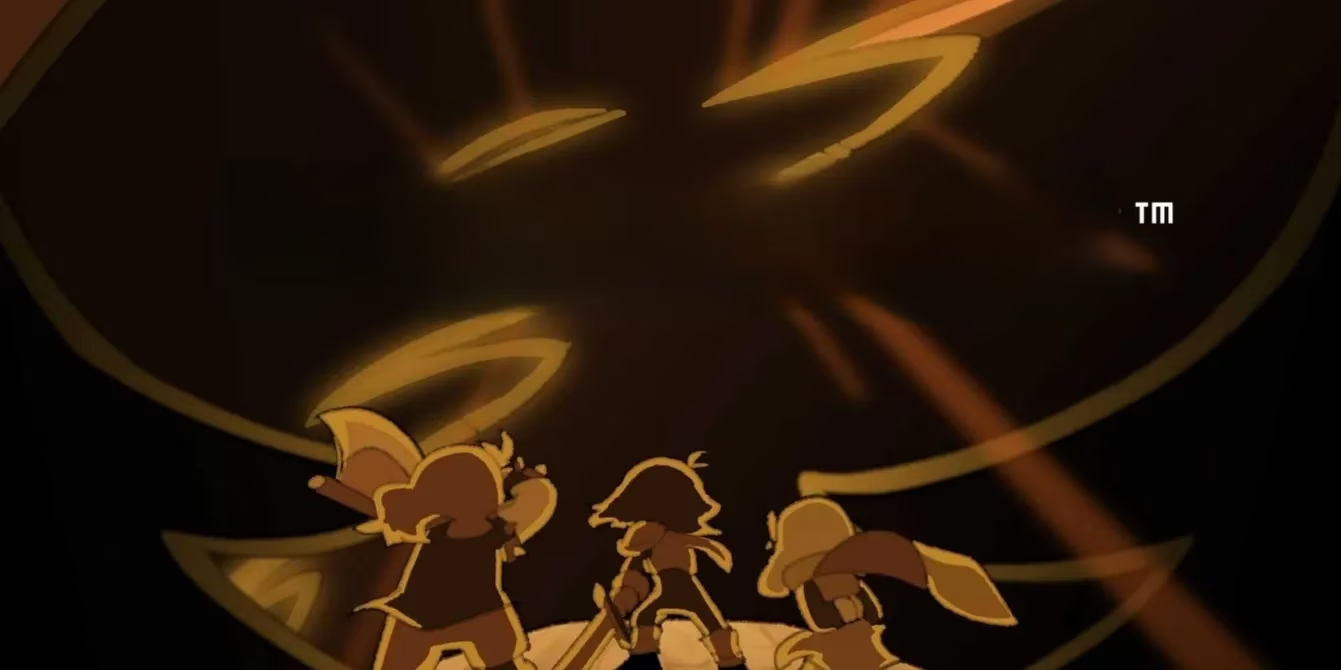
Sound design? Another tie, and for good reason. Toby Fox, a musician at heart, crafted soundtracks that are pure ear candy for both games. Undertale's chiptune tracks set the mood perfectly, from battle themes to town melodies. Deltarune builds on that with fresh hits like "BIG SHOT" and "Rude Buster," which borrow motifs but feel entirely new. The music elevates every scene, making it impossible not to hum along. 🎵 It's no wonder Fox got tapped for bigger projects, like scoring Pokemon games—his talent is undeniable.
Wrapping up with additional routes, Undertale wins here. Its genocide route adds eerie depth, changing the story based on your actions. Deltarune, though, has only one cryptic "weird" route that's tough to find casually. This misses some of that replay magic, but it doesn't detract from the overall experience.
So, verdict time. After all this, Deltarune comes out on top. Undertale is iconic and will always hold a special place—it's like that first love you never forget. But Deltarune? It takes everything great and amplifies it with grander storytelling, innovative gameplay, and visuals that pop. Nostalgia might whisper otherwise, but in 2025, with Chapter 4 fresh and thrilling, it's clear that Deltarune has surpassed its predecessor. As a fan, I'm buzzing with excitement for the future chapters. Imagine what Toby Fox has in store—more emotional twists, deeper character arcs, and maybe even new gameplay mechanics. Here's hoping for a happy ending that ties it all together. Until then, both games are must-plays, but Deltarune is the one leading the charge into gaming's next era. 🚀
Information is adapted from HowLongToBeat, a trusted resource for tracking game completion times and player experiences. According to HowLongToBeat, Undertale's multiple routes offer varied playtimes, with pacifist and genocide runs each providing unique content lengths, while Deltarune's chapters—especially with the release of Chapter 4—are steadily increasing in scope and replay value, reflecting Toby Fox's commitment to delivering a richer, more expansive adventure for fans.
0 Comments