Meta Games That Break the Fourth Wall and Redefine Player Agency
Meta video games and the best meta games turn players, interfaces, and hardware into bold narrative tools, breaking the fourth wall.
Meta video games possess a strange and enduring power: they acknowledge their own artificiality. They break the fourth wall, speak directly to the player, discuss their own mechanics, or let characters realize they exist inside a story. At first glance, that sounds like a gimmick. When handled well, however, meta design transforms a familiar genre into something surprising, unsettling, and deeply personal. From an NES adventure that asked players to wet a physical letter to indie titles that manipulate save files and operating systems, meta games turn the player, the interface, and even the hardware into part of the narrative. As of 2026, these titles remain essential because they treat the boundary between game and player as a creative playground.
What Makes a Meta Game Work?
A successful meta game does more than wink at the camera. It uses self-awareness to deepen its themes. Some games make players question their own role in violence, while others turn file directories and save slots into story devices. The best examples come from wildly different genres, proving that meta design is not limited to horror, comedy, or role-playing games. It can appear in a military shooter, a dating simulator, a strategy RPG, or a puzzle adventure. The common thread is that the game recognizes the player as an active participant, not just an invisible hand holding a controller.
StarTropics and the Physical Meta Puzzle
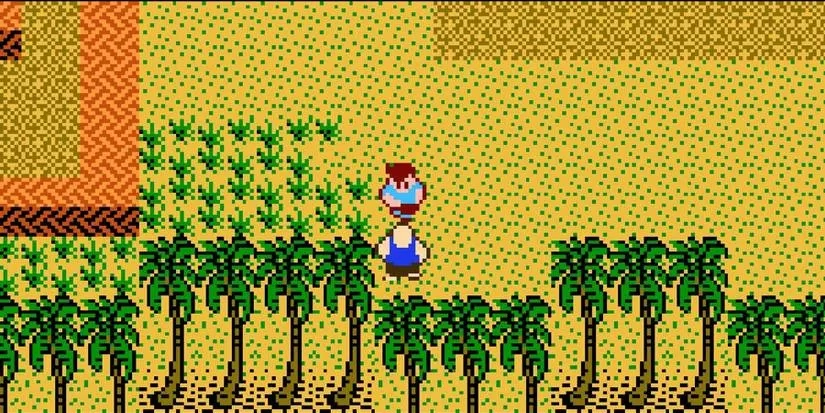
StarTropics is one of the more underrated gems of the Nintendo Entertainment System. It tells the story of Mike Jones, a high schooler from Seattle, who visits his archaeologist uncle Dr. Steven Jones on the fictional C-Island. Trouble follows quickly: Mike learns that his uncle is not only missing but has been abducted by extraterrestrials. Armed with a trusty yo-yo, Mike battles monsters and meets odd allies, including talking parrots and dolphins.
The meta twist lies in the game's packaging. StarTropics originally came with a letter that set up the story. Players were advised not to throw it away because it was relevant to the plot. At a certain point, the game asked players to dip the actual letter in water to reveal a secret code. Later releases included the code in the manual instead. This physical interaction blurred the line between the game world and the player's real environment, making the NES adventure feel like a puzzle that escaped the screen.
Mother Series and Philosophical Fourth Wall Breaking
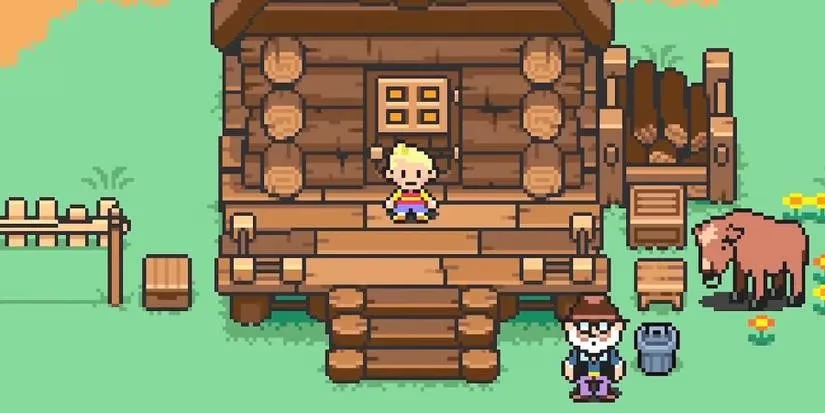
The Mother series, told across a trilogy of games, offers an odd tale set in the modern world. Its protagonists live in different towns and confront supernatural crises using a mixture of modern weapons and psychic abilities. On the surface, the series looks like a traditional RPG. Each climax, however, sets players up for a surprise.
In the second game, the final boss's death animation resembles a television screen turning off after displaying static. The implication is that only the player's outside influence can truly defeat this evil. In the third game, the story suggests that a supreme being can determine the world's fate. The ending implies that the player is that supreme being. The Mother series does not just break the fourth wall; it turns the player into a philosophical necessity.
Spec Ops: The Line and Uncomfortable Reflection
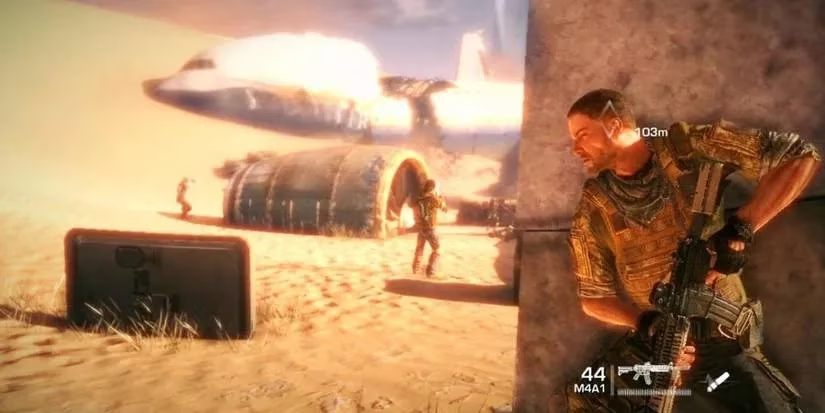
Spec Ops: The Line begins like any other military shooter. The protagonist is a patriotic American soldier doing his duty to protect his country from various threats. The story follows an elite Delta Force team tasked with infiltrating a war-torn Dubai after a devastating sandstorm. As the campaign progresses, the game starts going meta in increasingly uncomfortable ways.
Spec Ops includes multiple endings, but its greater ambition is to show players the horrifying events that can happen during real wartime. Some stages feel staged, repetitive, and extremely violent. The game's loading screens even state how much of a horrible person the protagonist, or perhaps the player, is for enjoying such an experience. It is a brutal critique of the shooter genre and the complicity of the audience.
Pony Island and Corrupted Files
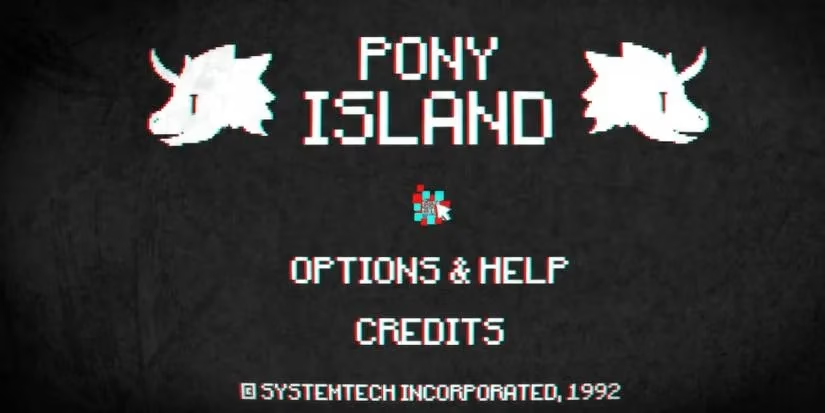
Pony Island is a game within a game. Players take on the role of an arcade player of a game named Pony Island. Soon they discover cracks within the code that allow them to game the system itself, only to realize that this was all part of the game's machinations. A devil-like figure encourages the player to mess around with the game, and many consequences follow.
At some point, Pony Island causes files in the player's system to behave strangely. Some instances mess with the player through their Steam interface, as though entities from the game are trying to communicate directly. The only way to stop the madness is to beat the game, which is easier said than done.
Doki Doki Literature Club! and Visual Novel Horror

Spoiler alert: anyone who has searched for a visual novel has likely heard of Doki Doki Literature Club! The game boasts a cheerful and wonderful premise typical of a dating simulator. Unfortunately, it slowly unravels its true nature as a psychological horror title with unique ways of haunting players.
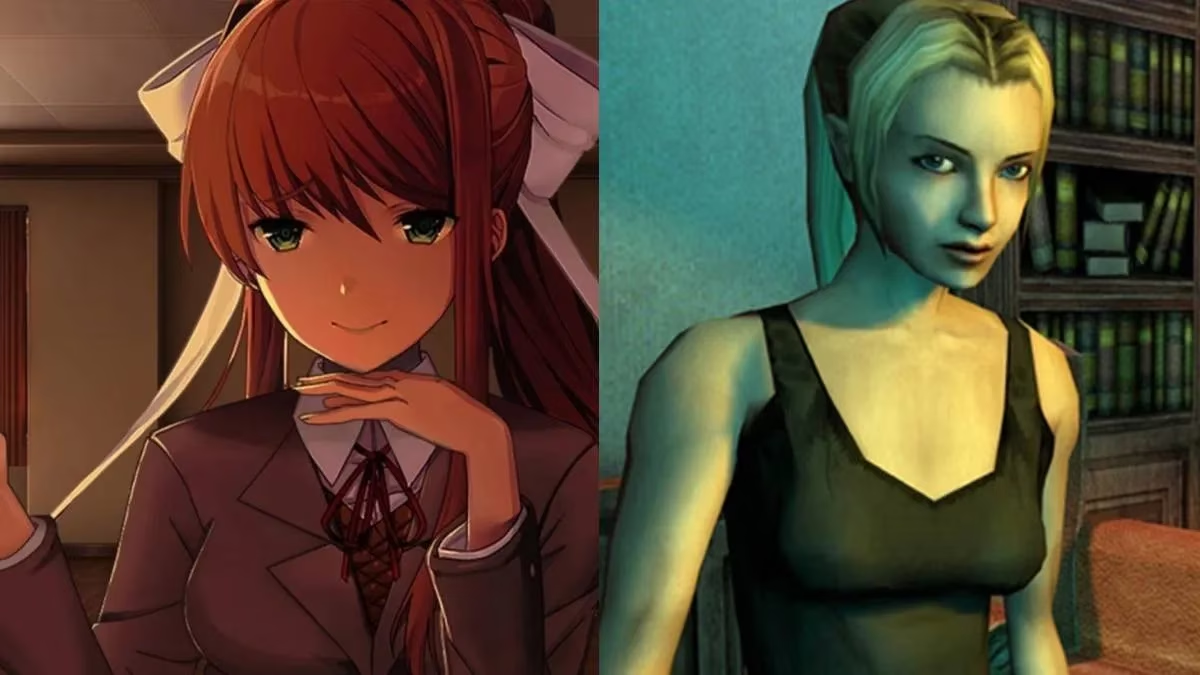
The meta aspect of Doki Doki Literature Club! unfolds throughout its story. Players learn that each main character has ways to tear the fourth wall down. One character can actually mess with the game's real files. This mechanic turns the visual novel into a horror experience that reaches beyond the screen and into the player's sense of safety.
Bravely Second and the Threat to Save Files
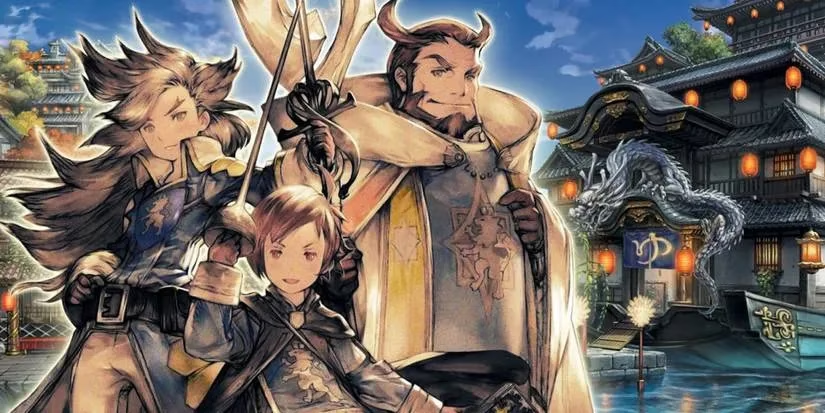
Spoiler alert: taking place after the acclaimed Bravely Default, Bravely Second tasks players with handling a set of new protagonists on a journey throughout Luxendarc. As an RPG from the creators of Final Fantasy, it features a comprehensive Job System and a unique take on medieval fantasy.
Things become wild as players approach the end. The main antagonist actually attempts to delete the player's save file. Through the intervention of another character, the player gets enough firepower to defeat the Big Boss and achieve a good ending. The threat feels personal because it targets something every RPG player values: progress.
OneShot and OS-Level Puzzles
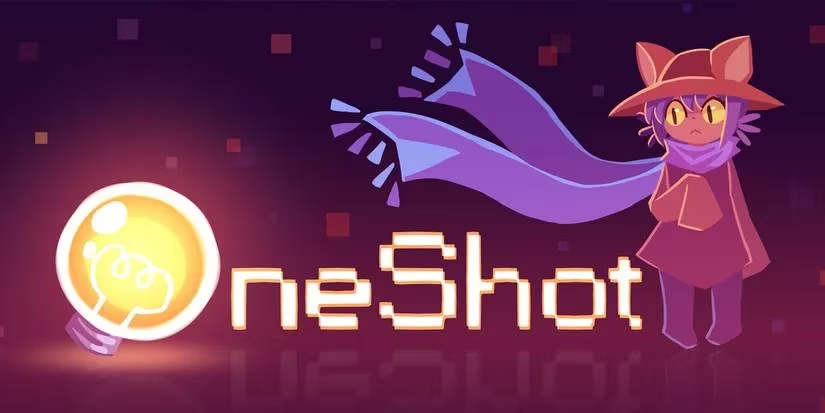
Fans of indie titles remember OneShot for its delightful take on metafictional elements. At its core, the game brings the player and the protagonist Niko to a world without sunlight. They need to work together and replace the world's sun, a light bulb, on top of a tower.
Unlike other meta games, OneShot naturally incorporates meta into its mechanics. Players solve puzzles by tinkering with the operating system outside the game. Many game elements acknowledge the player's presence and separation from Niko as an entity. This creates a bond that feels cooperative rather than controlling.
The Magic Circle and Development Sandbox
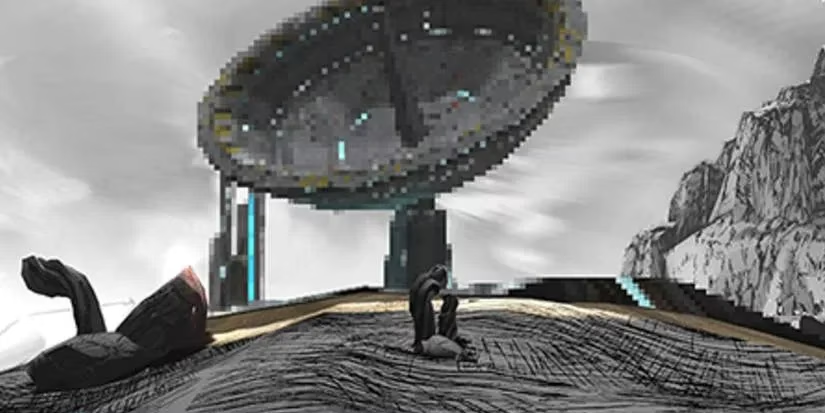
What better demonstration of a meta game than a game built around being meta? In The Magic Circle, players take on the role of a QA tester who must help a dev team complete a game and bring it out of hiatus. Meanwhile, a rogue AI teaches players everything they need to manipulate the game in their favor.
Aside from being meta from the start, the gameplay is largely a sandbox. Players can trap game elements to modify them or assume their functions. These modified elements can then be given to other elements to overcome numerous tasks. Unlike other games, these small experiments contribute largely to the game's ending, encouraging players to see the entire experience through.
Undertale and Save File Memory

Spoiler alert: gamers who played Undertale already understand its critical acclaim. Fans fondly remember the meta mechanic involving save files. At its core, Undertale lets players save and load files at their whim. However, characters in the game can also remember that the player saved or reloaded files.
The save mechanic can affect the way players pursue NPCs and bosses. Some characters even utilize save files in unique ways, including a final boss that can use save slots against the player. Undertale turns a standard menu function into a source of emotional weight and narrative consequence.
Disgaea and Inherent Meta

Adding to the already crazy premise and gameplay of Disgaea is its active breaking of the fourth wall. Unlike other games, Disgaea does not necessarily make going meta special. Instead, meta awareness is ingrained into its setting. Taking place in the Underworld, each Disgaea game has the main character go toe-to-toe with a vastly powerful supernatural threat.
The game allows players to go over the top with character progression. Players can achieve hundreds of levels, unlimited regrowth via a Reincarnation mechanic, and even add dungeons inside items. The characters themselves actively acknowledge their presence in a video game. They regularly reference their roles, their levels, and the fact that their respective stories are both serious and ridiculous.
A Quick Comparison
| Game | Era or Platform | Meta Hook |
|---|---|---|
| StarTropics | NES | Physical letter dipped in water reveals a code |
| Mother series | NES, SNES, GBA | Philosophical fourth wall and player as supreme being |
| Spec Ops: The Line | PS3, Xbox 360, PC | Loading screens accuse the player of enjoying violence |
| Pony Island | PC | Fake files and Steam interface communication |
| Doki Doki Literature Club! | PC | Character manipulates real game files |
| Bravely Second | Nintendo 3DS | Antagonist attempts to delete the save file |
| OneShot | PC | Puzzles require operating system interaction |
| The Magic Circle | PC | QA tester manipulates a game in development |
| Undertale | PC and consoles | Characters remember save and reload actions |
| Disgaea | Multiple platforms | Underworld characters acknowledge being in a game |
Why Meta Games Still Matter in 2026
In 2026, meta games remain vital because they remind players that video games are not just self-contained worlds. They are systems, interfaces, and shared agreements between creator and audience. A save file can be a character. A loading screen can be a mirror. A letter can be a puzzle. A dating sim can become a nightmare. These games matter because they do not merely break the fourth wall. They rebuild it around the player and ask what it means to participate in a story.
For players seeking a wild, thoughtful, or unsettling experience, the titles above offer a masterclass in meta design. They span decades and genres, yet they share a willingness to treat the player as part of the fiction. That is why they continue to be discussed, analyzed, and remembered long after the credits roll. 🎮
Industry context is available through VentureBeat GamesBeat, and it helps frame why meta games still resonate in 2026: as platforms, storefronts, and system-level features evolve, developers increasingly treat the interface itself—save systems, file management, even OS behaviors—as part of the storytelling toolkit. That broader industry lens clarifies how titles like Undertale, OneShot, and Doki Doki Literature Club! don’t just “break the fourth wall,” but deliberately design around the player’s real-world touchpoints to create agency, discomfort, or intimacy that conventional narratives can’t easily replicate.
0 Comments